
Everything You Need to Know About Home Plumbing Maintenance

When it comes to keeping your home comfortable and safe, plumbing plays a huge role. I’ve learned that understanding the basics of home plumbing maintenance can save you time, money, and a lot of headaches. Whether you’re dealing with a dripping faucet or planning a major renovation, knowing how your plumbing system works is essential. Let’s dive into everything you need to know about residential plumbing and how to keep your system running smoothly.
Why Home Plumbing Maintenance Matters
Your home’s plumbing system is like its circulatory system. It delivers clean water where you need it and takes away waste efficiently. But just like any system, it needs regular care. Neglecting plumbing maintenance can lead to leaks, water damage, and costly repairs.
Here are some key reasons why regular maintenance is a must:
Prevent leaks and water damage: Small leaks can turn into big problems fast.
Save money: Fixing minor issues early avoids expensive repairs later.
Improve water quality: Clean pipes mean better tasting and safer water.
Extend the life of your system: Well-maintained plumbing lasts longer.
Avoid emergencies: Regular checks reduce the risk of sudden breakdowns.
Simple tasks like checking for leaks, cleaning drains, and inspecting your water heater can make a huge difference. Plus, it’s a great way to spot potential problems before they get out of hand.
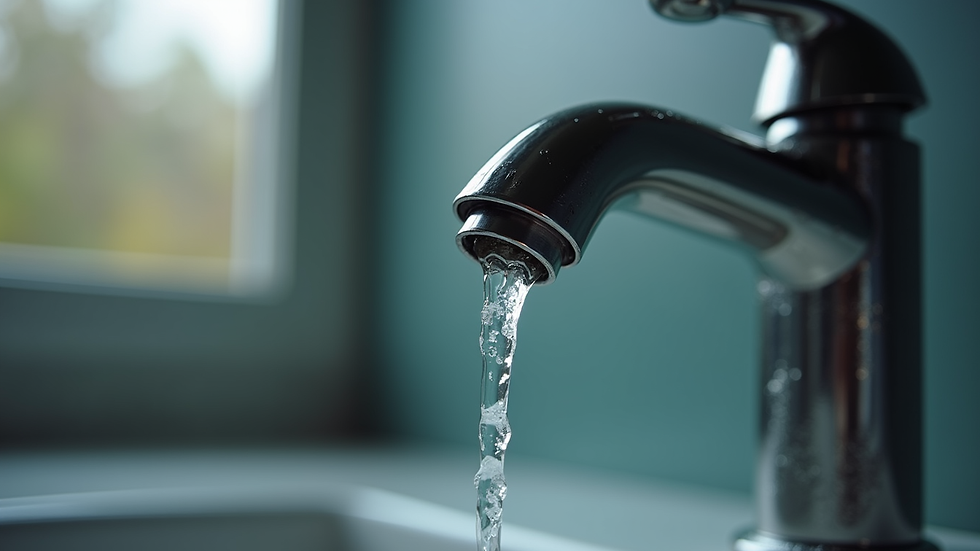
Leaking faucet that needs immediate attention to prevent water waste
Essential Tips for Effective Home Plumbing Maintenance
Maintaining your home plumbing doesn’t have to be complicated. Here are some practical tips you can start using today:
Inspect for leaks regularly: Check under sinks, around toilets, and near appliances.
Clean your drains: Use a drain strainer to catch hair and debris. Avoid chemical drain cleaners; opt for natural solutions like baking soda and vinegar.
Know your water shut-off valve: In an emergency, turning off the main valve can prevent major damage.
Flush your water heater: Sediment buildup reduces efficiency and can cause damage. Flushing it once a year helps.
Check water pressure: High pressure can strain pipes. Use a pressure gauge and adjust if needed.
Insulate pipes: Especially in colder months, insulation prevents freezing and bursting.
Avoid flushing non-flushable items: Things like wipes, feminine products, and grease can clog your system.
By following these steps, you’ll keep your plumbing in top shape and avoid many common issues.
What is the average call out charge for a plumber?
If you ever need professional help, it’s good to know what to expect. The average call out charge for a plumber in the Houston area typically ranges from $50 to $150. This fee covers the plumber’s travel time and initial assessment. Keep in mind, this is just the starting cost. Additional charges depend on the complexity of the job, parts needed, and labor time.
Here’s what you should consider:
Emergency services: These usually cost more, especially after hours or on weekends.
Type of service: Simple repairs like fixing a leak cost less than installing new fixtures.
Experience and reputation: Established plumbers with great reviews may charge higher rates but offer better reliability.
Always ask for a clear estimate before work begins. This helps avoid surprises and ensures you get fair pricing.
Common Plumbing Problems and How to Fix Them
Plumbing issues can pop up anytime. Knowing how to handle common problems can save you stress and money. Here are some frequent issues and quick fixes:
Dripping Faucets
A dripping faucet wastes water and increases your bill. Usually, it’s caused by worn-out washers or seals. Replacing these parts is often a simple DIY job.
Clogged Drains
Slow or clogged drains are annoying. Use a plunger or a drain snake to clear blockages. Avoid pouring grease or coffee grounds down the sink to prevent clogs.
Running Toilets
A running toilet can waste gallons of water daily. Check the flapper valve inside the tank; if it’s damaged, replace it. Adjusting the float can also stop the water from running continuously.
Low Water Pressure
Low pressure can be caused by mineral buildup or leaks. Clean faucet aerators and showerheads regularly. If the problem persists, it might be time to call a professional.
Water Heater Issues
If your water heater isn’t heating properly, check the thermostat settings and power supply. Flushing the tank yearly removes sediment that can reduce efficiency.
If you’re unsure about any repair, don’t hesitate to contact experts. Sometimes, a small problem can hide a bigger one.

Plumber repairing a kitchen sink pipe to fix a leak
When to Call the Experts for Residential Plumbing Services
While many plumbing tasks are manageable on your own, some situations require professional help. Here’s when you should call a licensed plumber:
Persistent leaks: If you can’t stop a leak or it keeps coming back.
Sewer line problems: Foul odors, slow drains, or sewage backups.
Water heater replacement or repair: Especially for gas units or complex systems.
Major installations: New bathrooms, kitchens, or water filtration systems.
Burst pipes: Immediate professional intervention is critical.
Low water pressure that doesn’t improve: Could indicate serious pipe issues.
Hiring professionals ensures the job is done right the first time. Plus, they have the tools and expertise to handle tricky problems safely. If you’re looking for reliable residential plumbing services, don’t hesitate to reach out to trusted local experts.
Keeping Your Plumbing System Healthy for Years to Come
Maintaining your home’s plumbing system is an ongoing process. It’s about staying proactive and addressing issues early. Here are some final tips to keep your plumbing healthy:
Schedule annual inspections with a professional plumber.
Educate everyone in your household about what can and cannot go down the drains.
Keep an eye on your water bills for sudden spikes that might indicate leaks.
Replace old pipes and fixtures before they fail.
Use water-efficient appliances and fixtures to reduce strain on your system.
By taking these steps, you’ll enjoy a reliable plumbing system that supports your home’s comfort and value.
Plumbing might not be the most glamorous part of homeownership, but it’s one of the most important. With the right knowledge and care, you can avoid many common problems and keep your home running smoothly. Remember, when in doubt, call the pros to protect your investment and peace of mind!


Comments